The Stack: A January 6 Story the Media Never Told
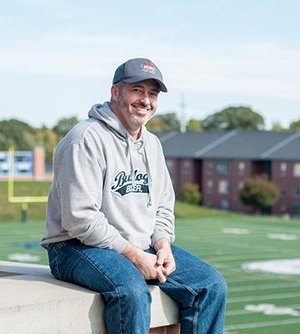
Five years after January 6th, Todd sits down with Dan Morrissey to document a firsthand account rarely heard without filters or headlines. Morrissey, who traveled to Washington, D.C. out of historical interest rather than political activism, explains how he entered the U.S. Capitol, what he witnessed inside, and why he never believed he was committing a crime. What followed, however, reshaped his life entirely.
In this interview, Dan details FBI contact, airport detentions, frozen assets, and a years-long legal battle involving withheld evidence, prosecutorial misconduct, and what he alleges was judicial corruption. Todd digs deeper, asking him about the Capitol doors being opened, the police presence, and the legal rationale used against January 6th defendants.
Morrissey also explains why he ultimately rejected a presidential pardon, believing acceptance would legitimize a conviction he maintains was fraudulent. This conversation goes beyond soundbites to examine due process, government overreach, and the personal cost of becoming a political target in modern America.
🎧 Listen to Today’s Episode
📰 Stack Links
🛒 Shop The Official Todd Huff Show Store

Clean, classic, and unmistakably you. This white hoodie features the Todd Huff Show crest embroidered on the left chest in full color for a sharp, timeless look and all-day comfort.
Throw it on for cool mornings, late nights, or any time common sense needs a little extra warmth.
📝 Transcript: A January 6 Story the Media Never Told
The Todd Huff Show – January 6, 2025
Host: Todd Huff
Special Guest: Dan Morrissey
Todd Huff: All right, my friends, we’re in for a treat today. You might remember today, five years ago, January 6, 2021. Boy, this is lots of stuff to discuss when it comes to this. We’ve got a special guest today. His name is Dan Morrissey. He’s got one heck of a story that I want him to share with you regarding what happened to him at the Capitol on January 6th. And not so much there, but what’s happened in the aftermath of that fateful day. We all know how much that has changed the political landscape. The propaganda we’ve been subjected to, all that stuff, my friends. And so that’s what we’re going to talk about today. It’s hard to believe it’s been five years.
Todd Huff: In fact, I met a good friend for the first time five years ago, on January 6th. And every January 6th, I remember pulling into his office, because that’s where I was. We all probably remember this — when you first heard the news about whatever was supposed to be happening that day anyway. My friends, that’s what we’re going to do today. Before we get rocking and rolling though, let me tell you, friends, that if you’re dealing with discomfort or if you’re just tired of living off of prescriptions, managing those side effects, you are not alone. A lot of folks are looking for something natural that they can trust.
Todd Huff (Sponsor): That’s why I want you to check out Christopher’s Organic Botanicals. Family-run natural Kratom company rooted in truth, transparency, and tradition. They partner with farmers in Indonesia directly. My friends, they lab test everything before it ever reaches your hands. No hypnosynthetics. No funny business. Just the real thing, done right.
Todd Huff (Sponsor): Kratom needs to be tested and responsibly sourced. But the horror stories that are out there are from folks who don’t follow those rules, who are shady sellers. They use synthetic garbage that isn’t even real Kratom. That’s not what you get from Christopher’s Organic Botanicals, friends. You can start with their Kratom starter pack. Coupon code TATTAH saves you ten percent. Visit ChristophersOrganicBotanicals.com — that’s ChristophersOrganicBotanicals.com. Truth. Tradition. Transparency.
Todd Huff: I’m looking forward here to talking with Dan Morrissey. Dan, I’d like to welcome you to the program, sir. How are you today?
Dan Morrissey: I’m doing great. Happy Patriots Day. How are you?
Todd Huff: I’m doing well. You’ve got one heck of a story. I’m just going to basically have you walk us through the day of. I know you said — you told me before we talked here — that your version of what happened is kind of boring, but you went to the Capitol January 6, 2021, I guess. Paint the picture. What made you go, and tell us a little bit about what happened at the Capitol from your perspective on that day.
Dan Morrissey: Okay, cool. Yeah. The genesis of my story, January 6th — first and foremost, I’m from Los Angeles. I was never a very political person. I didn’t even know who Joe Biden was until 2018 or 2019, which I didn’t care. So I’m sitting there with my buddy’s girlfriend and we’re watching Trump’s first inauguration in January 2017. And she looks at me and she says, “Dude, you love Trump. Aren’t you in D.C. right now?” And I was like, “That’s a really good point.”
Dan Morrissey: So that right there — that was the moment that I knew I was going to go to D.C. in 2021. It had nothing to do with the stolen election. Russia, Russia, Russia. Impeachment. Huff one, yada, yada, yada.
Todd Huff: Can I jump in real quick here, Dan? Let me ask you this, and this is always fascinating to me. You said you weren’t really political, but yet you liked Trump. Explain to the listener what it was about him that drew you into that world — a world that you didn’t, it sounds like, didn’t follow closely or care much about prior to Trump’s election.
Dan Morrissey: I’m a free speech absolutist. I’m a comedian by trade. Like I said, I’m an IO alumni. I was at the Groundlings. I performed all over the country — New York, sold in L.A., New York, and yada, yada, yada. So I’m a big free speech absolutist. And I love the fact that he says the things that people are afraid of.
Dan Morrissey: So that, to me, was — that to me is paramount. I think George Washington once said, if we lose freedom of speech, then we’ll be led astray. Something to the effect that we’re going to be led to slaughter while being silenced. And as someone who’s older now, I can kind of see how political correctness is a form to muzzle speech.
Dan Morrissey: So that, to me, was very attractive about President Trump in 2015. And when he said — he has the greatest mic drop of all time — where him and Hillary were debating and he said, “Because you’d be in jail.” But that was it for me.
Todd Huff: So you go to the Capitol January 6th. Go ahead.
Dan Morrissey: Yeah. So I get there. I went there by myself. I’m an American historian, kind of nerdy in that regard. I’m sitting there and I’m psyched, and D.C. is one of my favorite towns. And I was sitting there texting with my old boss. And then I am by the Washington Monument.
Dan Morrissey: And so I’m kind of in the back of the crowd. I wasn’t in the Ellipse area, so I started heading down to the Capitol. And so that’s where the food trucks were. I go down to kind of the south side of the building, and I turn around to the east side of the building.
Dan Morrissey: And the bike racks were just — they had bike racks and there was just kind of not in place. And Officer Warner, who was a very famous individual on that day, like, “Hey, everybody, come on down the stairs.”
Dan Morrissey: And like I said, one of my favorite books is by Shelby Foote, The Civil War: A Narrative, right? And so when you see Lincoln standing on the steps of the Capitol on the east side of the building, I was like, “Dude, that’s where Lincoln stood. I want to go stand where Lincoln stood.”
Dan Morrissey: So I’m standing there, and never in a million years did I ever think those doors would open. So I’m standing there, and I’m probably maybe 20 to 30 people within that narrow doorway at the Columbus doors. And lo and behold, one of the doors opens.
Dan Morrissey: One of the doors opens — and they’re magnetically sealed — and they open from the inside out. So as soon as that one door opened, the crowd surged. And I was kind of swept inside.
Dan Morrissey: So from that standpoint, as soon as I got inside, you could only go to a bar, and then they had walls of police officers. I wasn’t screaming. I wasn’t shouting. I was taking pictures like, “Dude, this is awesome. How cool is it?”
Todd Huff: What was the tenor of the people that were going in? Was it loud or was it relatively quiet? I mean, what was it like amongst the other folks?
Dan Morrissey: I would say that everyone was kind of in awe, that kind of had the same kind of respect that I did. However, there were definitely agents of provocateurs within the group, and you could tell who they were because they kind of came from behind the police line.
Dan Morrissey: And they were loud. They were obnoxious. They started breaking things. And so I thought that to be kind of weird at the time. But I’m just sitting there, I’m like, “Dude, this is crazy.”
Dan Morrissey: So I’m sitting there. You can see me on the Jade Next video — or actually while I was walking through the rotunda. And CNN had a camera there because they knew it was going to happen. I was literally on CNN. I had my phone up as I’m walking through the Capitol, the rotunda. So I was like, “Oh, this is kind of —” I didn’t know that until just very recently. But I was like, “Dude, this is so cool. This is crazy.” Not faking anything.
Dan Morrissey: So I take a selfie when I’m in front of some cops. And I was inside for 28 minutes. Didn’t break anything. I didn’t swear. I was just like, “This is nuts.” So I was texting with my old boss, who I had been texting with that day. And I was like, “Dude, this is getting pretty crazy.” And I sent him a selfie. So that’s how I ended up getting caught.
Dan Morrissey: I don’t do social media. I’m kind of analog in a lot of sense. I’m kind of a ghost, and that’s the way I like it. But he had forwarded that picture of me — the selfie that I took inside the Capitol — to a group of five people that we used to work with. And one of those dudes hated me. And he flipped me to the FBI. So that’s eventually how I ended up getting caught. It wasn’t because I was on Facebook saying, “We’re going to take down the government.” I was inside for 28 minutes. As soon as I got the opportunity to leave, I left.
Dan Morrissey: And you can see me on the CCTV as I was leaving the building actually sneeze and go to cover my nose. I was just very polite the whole time. And then that’s right when Ashley Babbitt got shot. So you can see me in the Jade Next video. Had I not made a right — because I’m one of the first people there — had I not made a right and made a left, I would have been there where it actually was. I’m not trying to thrust myself into history. I’m just saying it’s funny how one turn can make a difference of kind of where you end up in life.
Dan Morrissey: So I leave, and then you hear people running out of the building, “They killed her. They shot a little girl.” So I was already outside. I was like, “It’s crazy, whatever’s going on.” I get back on the train, go to my hotel room, catch my flight, and I’m gone. Didn’t think anything of it. Like I said, I don’t do social media. I don’t pay attention to TV. I didn’t think anything of it at all.
Dan Morrissey: Well, a couple weeks later, I get a call from the FBI. And I’m like, “Hello?” And they say, “This is the FBI.” And I’m smart enough to know — I said, “Hey, let me get a lawyer. I’ll call you back.” Because they tried the whole thing, “Well, do you know what this is about?” I’m not talking to you. So I said, “Let me get a lawyer and I’ll call you back.”
Dan Morrissey: So at the time, I lived in New York and L.A., and I was traveling a lot. I was probably flying four or five times a month. And so I predominantly lived in L.A. I get a lawyer from Calabasas, and L.A. is not the most friendly town in the world. And so he says, “Give me a thousand dollars, I’ll have a conversation with them and we’ll see what’s going on.” I said okay. I give the guy a thousand dollars. He has a conversation with the feds. Whatever. Don’t hear anything back. Later that month, I’m flying out of LAX and I get swatted at the airport — with ten people, M4s, and a bomb-sniffing dog.
Todd Huff: Okay, Dan, pause real quick for me. A lot to process here. I have two other questions before we get too far down the road outside the Capitol. First one I want to go back to — you said the doors opened from the inside and you also had mentioned bike racks. I gathered that that was maybe at first kind of put up as a barrier. Were you ushered in? I mean, I’ve seen videos. We’ve all seen the videos of people being ushered, basically waved in, or the barriers moved and they were kind of waved through and the doors were open. Was that what it was like to you? Was it like the Capitol was open and they were letting you go see it? I mean, what was that part of it like?
Dan Morrissey: Yeah. So from the bike rack perspective, it was just like they kind of had some — just imagine like a very lazy groundskeeper laying out some bike racks. So it wasn’t really like off limits or whatever. You could just walk up. And Officer Warner was like, “Hey, everybody, come on up.” They invited me up, right?
Dan Morrissey: And then when I say they induced the crowd’s entry, they made it happen. It wasn’t like there was a police officer at the Columbus door waving us in. What they did is they magnetically unlocked the door on the Columbus doors and they induced the crowd surge. So then it’s entrapment. And then as soon as they did that, they were like, “Well, you paraded.” And I said in one of my motions, I said, “Sorry to inform you, I haven’t learned how to float yet. Maybe next time.” Parading is literally just walking.
Todd Huff: Okay. So let’s go back to you’re at the airport. You’re getting swatted now. To me, explain what that means, because I’ve even — doing what I do, a little talk show host and podcast — I’m aware of people who are swatted in the sense of people calling 911 and making false reports against conservative commentators.
Todd Huff: Then the SWAT team shows up at your door at two thirty in the morning, and it’s chaotic, and they’re probably hoping someone gets shot, candidly, is what they’re doing. So what does that look like at the airport? What do you mean by that? What happens specifically?
Dan Morrissey: Cool. Yeah. So like I said, I used to travel a lot, coast to coast. So for the first time ever, I couldn’t check in, and I got like the four S’s on my boarding pass. So I step out of line and I go to the TSA counter, and she gets on like the secret bat phone. And she’s like, “What’s going on?” So then they clear me to go back through processing. So they essentially strip search me in front of everyone. And at LAX, from security to your actual gate is not a very long distance. So by the time they do the second screening, I get to the gate and there’s ten dudes with M4s and a bomb-sniffing dog.
Dan Morrissey: And they pull me out. They start — I called it my TSA Tinder date because they were very hands-on, which, you know, whatever. But they had a bomb-sniffing dog. They get me on the ground. They’re scraping my hands for bomb residue. And I’m like, “Dude, what is going on?” And this was at the gate. This was past security at this point. Oh yeah. For sure.
Dan Morrissey: Yeah, so that was the first time I got swatted. That was at LAX in 2021. So a month later, I’m flying out of Denver International Airport. And I had to kind of pre-check in again because of the four S’s thing. I’m like, “Great.” It’s four o’clock in the morning. I get to the airport and I have these TSA agents screaming at me like, “Oh, you’re racist. You’re racist. You’re a white supremacist,” blah, blah, blah. And I’m like, “Dude, back up.” I’m just trying to get on a plane.
Dan Morrissey: So I get through that. And then it’s a little bit longer of a process there because you’ve got to take a train to the terminal at DIA. So when I get to my gate, there’s again — maybe not ten, but you see what I’m saying — there’s multiple TSA officers sitting there. And they pull me out and they swat me again. Same thing. Bomb dog. Hands scraped. All of it.
Dan Morrissey: Now, this kind of worked to my advantage because at the time I was working in New York and my primary residence was in L.A. So when I was working in New York, I would rent a place for like six months. And so they didn’t know where I lived, so they could only catch me at the airport. So I kind of stopped being able to fly.
Dan Morrissey: They seized my assets. They froze my credit. They put me on a watch list where I couldn’t send or receive parcels. And this was all before I was officially charged. So this is January 6th of 2021. And this is happening starting in February. February to October, they hunted me. They seized my assets. They seized money out of my bank account. Froze my credit. And it was crazy. I’m like, “Dude, they brought me to a point to make me indigent. They coerced me.”
Dan Morrissey: So here’s where it gets really interesting. I get a call from Anthony Solis, the guy from Calabasas. He’s like, “Yeah, they filed against you.” And this guy — you could tell — he was excited to be part of the narrative. And as a writer, I keep really good contemporaneous notes. I write constantly. As soon as I write something, I save it as a Word doc and I also make a PDF, so everything’s timestamped.
Dan Morrissey: So on October 21, when I was officially charged, I sent him a letter. I said, “Hey, here’s what happened. I’m looking forward to you giving me a good defense, and I want to be treated fairly.” I paid the guy a lot of money. And the crazy thing is these lawyers were asking for like seventy thousand dollars. I didn’t pay him that much, thank God. But early on, nobody knew what was going on.
Dan Morrissey: So ten months later, the water had kind of calmed down a little bit. Long story short, he takes it. Like I said, he was kind of slimy. He makes ambulance chasers look like heroes. I only met him one time, and that was in D.C. when I had to be sentenced.
Todd Huff: So what was the charge? I’m sitting here watching this unfold. What was the charge that you were charged with then?
Dan Morrissey: Sure. So what they call a misdemeanor cocktail. The four misdemeanor cocktail. It’s parading, demonstrating, and picketing. Entering and remaining in a restricted building. And then there’s two other ones, but they’re very minor-level stuff. But yet they designated me as a terrorist, which is a huge procedural due process issue. And that’s the whole thing. This is the first insurrection in American history where no one — literally no one — was charged with 18 U.S.C. 2383, which is insurrection or rebellion.
Dan Morrissey: So these people have very trumped-up charges for the most minor offenses, if you want to call it that. So I’m sitting there, I’m watching the Super Bowl. This is February of 2022. So a year afterwards. And I’m on The Gateway Pundit, and I see the video, and I’m like, “Dude, that’s me.” I can see myself. And this is kind of when the videos were still under wraps. And I’m like, “Dude, that’s me. That’s my entry.” I’m like, “This is amazing.” I knew, having only seen from my perspective on the outside, what had happened on the inside.
Dan Morrissey: So the Capitol Police unlocked the doors. They were magnetically sealed. And then they had one of their agent provocateurs open the door. So I’m like, “Dude, this is huge.” I sent it to my lawyer. He’s like, “Yeah, it doesn’t matter.” I’m like, “What do you mean it doesn’t matter?” He said something to the effect of, “What does it matter if they let you in? You were still there.” And I said, “Okay.” And then he said something else in my text messages. And I took screenshots of everything.
Dan Morrissey: And he said, “I would rather snort bath salts than vote for President Trump.” So I paid this guy a substantial amount of money. He’s doing this just to get access to a larger stage. I’m almost in disbelief. I don’t really know what to think. I’ve never been in trouble with the law before. This is still a big deal to me.
Dan Morrissey: So months go by. Sentencing comes. Six weeks go by. And then I discover Brady v. Maryland. And this is a very historic Supreme Court case from 1963. And then I confront him like, “Hey, dude, this is a problem.” And then he goes into immediate gaslighting mode. So I start writing Judge Walton on April 15, 2022. Like I said, I’m a writer by trade. I’m very comfortable writing documents. So I just started writing him. I started writing Judge Walton’s chambers for three months.
Dan Morrissey: And so Judge Walton cracks and grants me a status hearing on July 14, 2022. And this is during COVID, during the CARES Act, so it’s a teleconference. And they’re talking about the video evidence. And the prosecutor lies in court and says, “Yeah, there’s no video evidence.” Wait a minute. And what’s cool is even though it was a status conference, there’s a transcript. So months go by. I get sentenced. They remand me in D.C. I will say the prosecutor was cool enough to say — because I wasn’t expecting jail — he was like, “No, let him self-surrender.” So I’m not going to give up. From August to October, I’m hitting them slowly over the head: “Get that video. Get that video. Get that video.”
Dan Morrissey: So on October 15 of 2022, he sends a confession email to the prosecutor saying, “Hey, we discussed this the night before — the night before the status conference.” So he confirmed that they conspired against me. So we have prosecutorial evidence — the prosecutor and my attorney — they conspired and they confessed to it. Wild stuff. So that’s crazy in and of itself, right?
Dan Morrissey: So now I have a documented lie from the prosecutor. He’s an officer of the court. During the status conference, I had an open bar complaint against my attorney, and Judge Walton was like, “You need to drop the bar complaint.” So essentially, Walton was protecting the club. I call them the Bar Bros. If you’re part of the bar, they’ll do whatever for each other.
Todd Huff: Dan, we’re going to have to sit right there. I’m at the end of my segment here. So let’s pick up on this when we get back on the other side of the break. All right, my friends. Quick time out here. Talking with Dan Morrissey about his experience as a J6er. Wild stuff. Quick time out here on my end. You’re listening to Conservative, Not Bitter Talk. I’m your host, Todd Huff. Back in just a minute.
Todd Huff: Welcome back, my friends. On the phone with Dan Morrissey. He is a J6er, I guess you would say. He’s telling his story about what happened five years ago today. And that was just, of course, the beginning of his story. There was so much that we’re getting into. When we left him before the break, he was telling us about conspiracy between his attorney and the prosecutor, and just the trouble he’s had with the court system. That’s where we’ll pick up. But friends, ever notice how some families seem to have a plan that lasts for generations? That’s not by accident.
Todd Huff (Sponsor): Full Suite Wealth works with people who want their wealth to make a difference for years to come. Their team brings together high-level investment strategies like private equity and private credit options, combined with expert legal guidance. It’s about making sure your vision becomes a reality for the people you love — today, tomorrow, and in the years to come. If you’re looking to do more than just manage your money, if you want to leave a mark and build something lasting, take a look at Full Suite Wealth. Jason and his team will take good care of you. Visit FullSuiteWealth.com. That’s FullSuiteWealth.com. Build your legacy. Secure your future.
Todd Huff: I want to bring Dan back on the phone. So, Dan, before the break you were telling us — kind of from my vantage point as someone who’s just hearing this whole story kind of for the first time in its entirety — you start to explain some of the legal problems, letdowns, conspiracies, fraud. I don’t know what all’s been going on. But when we left, you were talking about conspiracy between your attorney and the prosecutor, and then problems with the way that evidence was not being introduced or video evidence was being hidden. So tell us a little bit about what began to happen when it came to the way your case was specifically handled.
Dan Morrissey: Yeah. No, and like I said — kind of when we talked on the break there for a minute — I apologize. But I feel like John Resnik. I’ve been singing Irish for the past five years. I’m so used to it. And I understand that a lot of people are hearing this for the first time. So it’s kind of hard. I seem to be going through it very quickly, so my apologies. In October of 2022, we have the confessed conspiracy. And then I start communicating with the prosecutor. At this point, I’m like, “I’m not that guy.”
Dan Morrissey: Like, “Hey, maybe this is a misunderstanding. Here’s the evidence. And here’s where we’re at.” I was always very respectful of the court. And then in 2022, I am appointed — because they bankrupted me — I’m appointed appellate counsel, a federal public defender. And he’s like, “Well, here’s the appeal, and we’re going to do this.” And I’m like, “It’s about the video.” And he’s like, “It’s not about the video.” I said, “It’s always been about the video.”
Dan Morrissey: He refused to raise the main appeal — ineffective assistance of counsel — on appeal. So from 2022 to 2024, I lived in Austin at the time. I had my dog — fifteen years old — and my mom living with me. So I had to take her and drive to New York City from Austin, which is like eighteen hundred miles one way, because I couldn’t fly. And I couldn’t leave my mom by herself. She had just lost her husband. And they’re telling me, “Hey, hurry up, you’re going to prison.” So I had to get her to a place where she’d be okay because I was going to prison for six weeks. I think I made five trips — three up, two back — something like that.
Dan Morrissey: So 2024 comes around and I’m resentenced. And it was like the briefest resentencing I’ve ever heard of in my life, via Zoom. And Judge Walton comes in like, “Well, what are we doing here?” And he seemed very spooked, very nervous. I think he knew it was a really bad case. But they resentenced me. I went from forty-five days in prison to three years of probation. And keep in mind, I had already been on probation for about two and a half years at that point. So you’re looking at almost six years of probation for walking through a door and taking a picture.
Todd Huff: What was the sentence specifically? I want to make sure the audience understands what that actually meant in real terms for you, because this is the part that really starts to sink in when people hear it.
Dan Morrissey: Yeah. So I went from doing forty-five days in prison to three years of probation. And keep in mind, I had already been on probation for about two and a half years at that point. So effectively, you’re looking at almost six years of probation for walking through a door and taking a picture. That’s the reality of it. So 2024 kind of comes and goes, and you have to check in with your probation officer and all of that.
Dan Morrissey: So then the recent thing comes around. There’s a hearing in November, and I knew at that point Trump had been reelected. So I submitted what they call a 2255. And that’s essentially kind of the nuclear bomb of legal motions. And I did it myself. I submitted it to the court right before my hearing.
Dan Morrissey: So essentially, I provided all the evidence — about one hundred and fifty pages of emails, documents, and records — showing that they actively suppressed video evidence, confessed to misconduct, all of that. And I’m thinking, maybe the judge is going to say, “You know what? This is a bad conviction. Let the guy go.” That’s not what happened.
Dan Morrissey: We go through the hearing. It’s very brief. And what Walton does at that point is he schedules the next hearing for after the pardon, because it was basically a foregone conclusion that everyone was going to get pardoned. So he sets it for January 30th of 2025. I get my pardon on January 20th. And I’m like, well, I get notifications of the pardon, and everyone’s like, “Yeah.” I thought President Trump would call or maybe I’d get a Publisher’s Clearing House-style balloon with a big check. Nothing. I went to work that day, came home, and I was like, “Wow, okay, this is great.”
Dan Morrissey: So I’m sitting there, and it’s the end of April of last year, and I still haven’t received my pardon. So I email a U.S. pardon attorney and I’m like, “Hey, I moved. Here’s the size of my new mailbox. Make sure it’s registered mail.” Thinking it was going to be some really fancy document. They just sent me a PDF. So I was designated as a terrorist. I was swatted twice. They seized my assets. They froze my credit. They bankrupted me. They made me live in fear of going to prison for parading for four years. And I got a PDF. I was pretty hot about that.
Dan Morrissey: So I start thinking, like, man, okay. So I started going back after the appellate attorney. And I learned this in my business career — when you target somebody, it’s good to CC their superiors so you raise visibility. So I would email Tony Axon and CC members of Congress, the Weaponization Committee, Todd Blanche, all these high-profile people.
Dan Morrissey: And then on June 9th of last year, I rejected my pardon. I emailed the U.S. pardon attorney and told them they could shove it and that they were the criminals. And then I signed my pardon rejection and sent it in. And my attorney thought I was joking. I wasn’t. So I kept pushing. I got him to confess, saying, “Yeah, I see the merits, but I can’t do anything for you.” So in July of this past year, I filed what’s called Rule 60(b)(3), which is fraud upon the court. And I submitted all the evidence.
Dan Morrissey: And Judge Walton knocks off the appellate attorney and recognizes me as the attorney of record. So now you’ve got four-plus years of bad attorneys, fraud, suppression, and I’m the one providing proof. And it’s been a very hard five years. Not in a cell, but very draining and very taxing. So I’m sitting there thinking, I want my money back. I can prove what they did. I send a motion to the court. And then Walton does something very interesting. On October 15, 2025, he issues an order saying, “Why don’t you go ahead and sue your attorneys, but I’m going to freeze the fraud.”
Dan Morrissey: And I’m sitting there thinking, I did all this work for all these years just for him to do that. And then I remembered — I had rejected my pardon, but I hadn’t informed the court yet. I had the email to the U.S. pardon attorney and the actual pardon document itself. So after a month of research and writing my own motions, I informed Walton that I had rejected my pardon, invoking Burdick v. United States.
Dan Morrissey: So let me frame that contextually and historically. I’m one of three people that I can find in American history who have rejected a presidential pardon. You’ve got George Wilson in 1833. Then you’ve got Burdick, which is the Supreme Court case from 1915, but that was in a civil case. So I believe I’m the only one to do it from a criminal perspective. And I knew that by accepting clemency for something I didn’t do, I would be absolving the sins of the state. And I wasn’t going to let that happen.
Dan Morrissey: They thought it was done. They thought it was over. So after Judge Walton tried to freeze the fraud in October, that’s when I remembered that was my ace in the hole. I started doing the research, I discovered Burdick, I wrote my motions, and I put it into the record. And here’s where it stands right now: the DOJ defaulted on the case at the end of July. They refused to file an opposition to my fraud upon the court motion. So I won back in July because they can’t refute what I put on the record.
Dan Morrissey: And just to show you how petty these people are, I filed a motion in April to get my five hundred and ten dollar fine back. And they filed an immediate motion within three days to keep that money. But when I put the fraud on the court on the record, they didn’t respond, because they couldn’t refute it. Anything they say would further implicate them. But their silence is also a confession. So I won this case back in July.
Dan Morrissey: So Walton, essentially what he’s doing now, is trying to be the defense attorney for the DOJ because he knows he’s part of the fraud. I found out last week that Jennifer Blackwell, who was the DOJ prosecutor, she left in September of last year. And Walton is actively acting as their defense attorney.
Dan Morrissey: So here’s what’s so interesting. After I rejected the pardon, Walton went into complete meltdown mode. He created a motion on his own, attributed it to me, and tried to blame everything on the original attorney. And I caught him. And then I emailed my old attorney and said, “Dude, they’re hanging you out to dry.”
Dan Morrissey: So now I created a prisoner’s dilemma. I contacted my old attorney and said, “Hey, they’re going to sacrifice you. You better say something.” So now the court has been in complete meltdown. You have a judge who is an active member of the fraud. He’s not just someone who misunderstood the facts. He’s an active participant. As it stands this morning, I just sent another motion in. I had submitted my nuclear option back in November of 2024. The court scrubbed one hundred and one pages of evidence, and I just found that out over the past couple days. So I said, “Hey, we need to get this on the record.”
Dan Morrissey: So what I’m asking people to do is this isn’t just fraud upon me. This is fraud upon the court. This isn’t just a bad prosecutor or a bad attorney or a bad appellate attorney. This is a bad judicial system. What I’m asking people to do is to call the White House. I have a very simple phone script. Five calls for five years. Tell five friends. It’s the fifth anniversary. Make five phone calls. Just say, “I would like to request a special counsel for United States versus Daniel Morrissey, Daniel Michael Morrissey.” And give them the case number.
Dan Morrissey: It’s like the Ted Stevens case from 2009. I’ve been in communication with the White House deputy chief of staff’s secretary. But what I’m asking for is a special counsel, because I caught them. And as soon as this falls, it impacts every January 6 case. Every single one. And like I said in the beginning, January 6, in my estimation, needs to be rebranded. I think it’s Patriots Day. I went there to get a burrito. I went down to the Capitol. And five years later, here I am doing things I never imagined.
Dan Morrissey: I wrote an article for a publication down here in Texas. And the inspiration was First Corinthians 1:27, where God says He uses the foolish things of the world to confound the wise, and the weak things of the world to shame the strong. These people think they’re so smart and so elite, and they got outsmarted by people like me. But what they don’t realize is they’re not fighting me. They’re fighting the truth. And they’re not going to win. The DOJ’s case against me was so weak that even the strongest cases they have against anyone else are eventually going to fall.
Todd Huff: Dan, your story is amazing. I’m sorry you went through that. On our website, ToddHuffShow.com, we have the phone script. We have Dan’s article that he referenced. We have a link to his GiveSendGo page to help him with legal battles and trying to fight through this. Dan, I want to say thank you, sir, and God bless you.
Dan Morrissey: Hey, thank you, brother. I appreciate it. God bless. Happy Patriots Day.
Todd Huff: All right, got to go. SDG, my friends.